
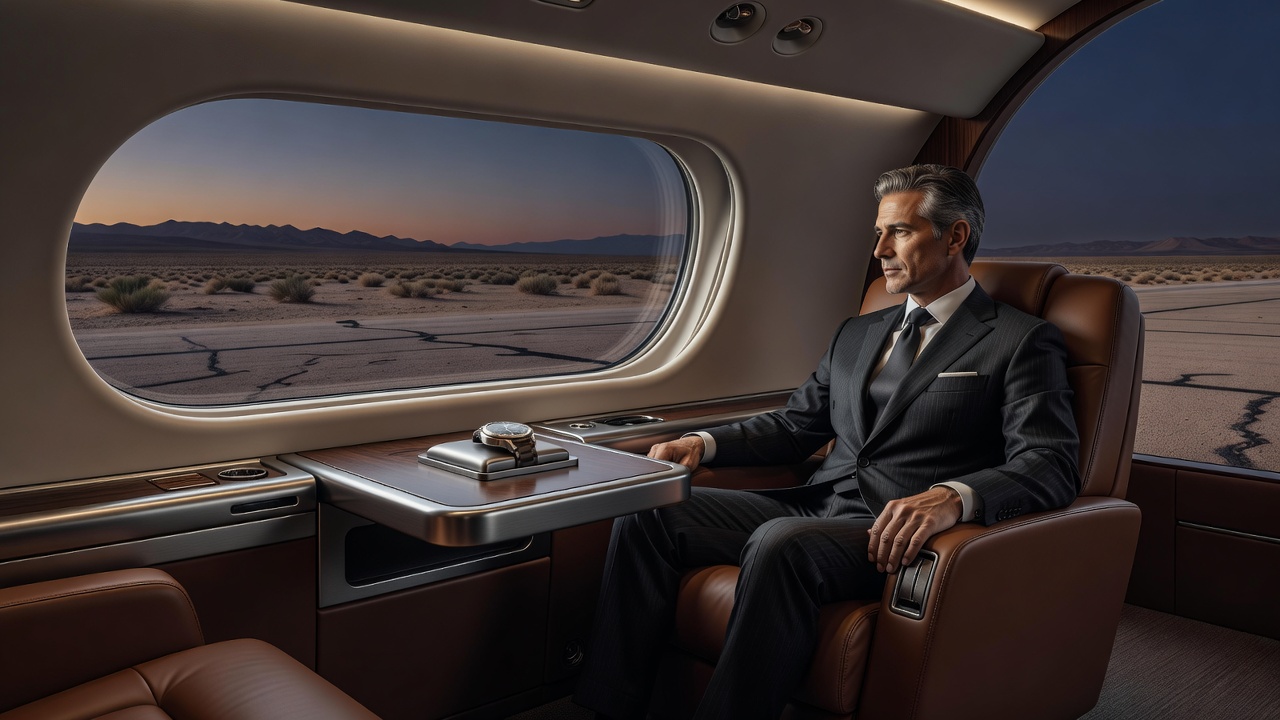
A private aviation company once flew three potential buyers to a remote airstrip in Nevada, not to sell them a jet, but to let them sit in silence inside one for forty minutes before a single word was spoken. That silence was the pitch. No brochure, no salesperson hovering with a tablet - just the buyer, the cabin, and the sound of nothing. This is what a genuine high-net-worth product demo looks like when the stakes justify the theater.
Selling to the ultra-wealthy has almost nothing in common with selling to everyone else. Price resistance disappears; attention resistance takes its place. A person managing a nine-figure portfolio has seen every trick in conventional retail and grown immune to most of them. Brands that succeed in this space understand that a super rich demo functions less like a sales pitch and more like a curated experience - one that must justify the recipient's time, which is the only resource they cannot buy more of. If you want a sense of how far this logic extends into digital and entertainment products aimed at wealth-signaling audiences, the super rich demo built around casino-style slot branding offers a useful comparison point for how presentation replaces persuasion.
What follows is a breakdown of how these demonstrations are built, why they work, and what separates a forgettable presentation from one that closes an eight-figure deal.
Why High-Net-Worth Buyers Require a Different Demo Philosophy
Time Scarcity as the Real Currency
Ultra-wealthy clients rarely lack money, but they consistently lack unstructured time. A product demonstration aimed at this audience has to acknowledge that every minute spent watching a presentation is a minute not spent managing assets, running a company, or being with family. The most effective high-net-worth product demo compresses value into short, dense intervals rather than long-form explanations. Brands that ignore this and default to standard sales scripts lose the room within the first five minutes.
Skepticism Built From Experience
Someone who has acquired significant wealth has typically been pitched thousands of times - by bankers, art dealers, real estate agents, and private jet brokers. This creates a buyer who reads intent instantly. Overt salesmanship triggers suspicion rather than interest. Successful demonstrations lean on demonstrated craftsmanship, verifiable provenance, and restraint rather than enthusiasm.
Status Signaling Without Vulgarity
The wealthiest buyers rarely want to appear as though they are being sold to. They want to feel as though they are being let in on something. This distinction shapes every element of an affluent lifestyle showcase, from lighting design in a private viewing room to the specific language used by staff, which avoids superlatives in favor of understatement.
Anatomy of a Super Rich Demo
Private Setting Over Public Display
Trade shows and retail floors are built for volume. A super rich demo is built for exclusivity, which means location matters as much as product. Private residences, chartered yachts, members-only clubs, and closed showrooms all serve the same purpose: removing the audience from any environment associated with mass-market selling.
Sensory Precision
Every detail is deliberate - the temperature of the room, the scent, the material of the seating, the absence of background noise. These choices are not decorative; they signal control and craftsmanship before the product is even introduced.
The Role of Scarcity Framing
Ultra-wealthy buyers respond to genuine scarcity, not manufactured urgency. A limited production run of six units communicated quietly carries far more weight than a countdown timer or a "limited time offer" banner, which reads as retail language and undermines credibility instantly.
- Invitation-only access rather than open registration
- Demonstrations scheduled around the client's calendar, not the brand's
- Staff trained to answer technical questions without a script
- Discretion agreements that protect the client's privacy during the session
Ultra Wealthy Demonstration Formats Across Industries
Automotive and Aviation
Luxury automakers frequently reserve certain models for private test-drive events that never appear in public advertising. The same applies to aviation manufacturers, where an ultra wealthy demonstration might involve a full simulated flight experience before a physical aircraft is ever shown, allowing the buyer to evaluate handling and comfort in a controlled, judgment-free setting.
Real Estate and Architecture
Property developers targeting nine-figure buyers increasingly use immersive walkthroughs - sometimes physical, sometimes virtual reality - that simulate a full day in the residence, from morning light through the kitchen windows to evening ambiance on a terrace. This format sells a lifestyle rather than square footage.
Fashion, Jewelry, and Timepieces
Maisons producing high jewelry or complicated watches often invite select clients to ateliers to watch a craftsperson at work. This is not entertainment; it is evidence. Seeing a watchmaker hand-finish a movement under magnification does more to justify price than any specification sheet could.
Building the Luxury Brand Prototype: What Goes Into Development
From Concept to Controlled Reveal
A luxury brand prototype rarely appears publicly before its intended buyer has seen it. Development teams work in near-total secrecy, and the first functional version is frequently reserved for a small circle of collectors or existing clients whose feedback shapes the final production run.
Materials and Craftsmanship as Proof of Concept
Where mass-market prototypes prioritize cost efficiency, a prototype built for ultra-wealthy audiences prioritizes material integrity - solid metals rather than plating, hand-stitched leather rather than machine-finished panels. The prototype itself becomes a demonstration of what the brand considers acceptable quality.
Feedback Loops With a Small, Trusted Circle
Because the target market is small and relationship-driven, brands can afford to gather detailed feedback from a handful of clients rather than broad market testing. This creates prototypes that feel personally tailored even before customization begins.
Designing the Affluent Lifestyle Showcase
Curating an Environment, Not Just a Product
An affluent lifestyle showcase sells context as much as merchandise. A yacht demonstration includes the marina, the crew, the catering - every element reinforces that the product fits seamlessly into an existing life of comfort rather than disrupting it.
Storytelling Through Provenance
Buyers at this level respond to history and craftsmanship narratives - where materials were sourced, who designed the piece, what makes the process irreplaceable. This storytelling replaces conventional advertising copy entirely.
Integrating Digital Experiences Into Physical Showcases
Even in traditional luxury sectors, digital elements now support in-person demonstrations. Augmented reality previews, private online galleries, and interactive configurators allow clients to explore options before or after a physical showcase, extending the experience without diluting its exclusivity.
Measuring Success: What Makes a High-Net-Worth Product Demo Effective
Conversion Isn't the Only Metric
Unlike mass-market campaigns, a single demonstration may not convert immediately. Brands measure success through relationship depth - repeat invitations, referrals to other high-net-worth individuals, and long-term brand loyalty that outlasts a single purchase.
The Cost of a Failed Demonstration
A poorly executed presentation to this audience carries reputational risk far beyond a lost sale. Word travels quickly within tightly connected wealth circles, and a demonstration perceived as tacky or overly aggressive can damage a brand's standing across an entire network of potential clients.
Long-Term Relationship Building Over Single Transactions
The most successful brands treat each demonstration as one touchpoint in a years-long relationship, prioritizing trust and discretion over closing speed. This patience separates enduring luxury houses from brands chasing short-term volume.
Frequently Asked Questions
How is a demo for ultra-wealthy clients different from a standard VIP experience?
A standard VIP experience often still follows a retail template with added perks like priority access or complimentary champagne. A genuine ultra-wealthy demonstration restructures the entire format around the client's schedule, privacy needs, and skepticism, often removing sales language entirely in favor of technical or craftsmanship-driven presentation.
Do luxury brands test prototypes with regular consumers before showing them to wealthy clients?
Rarely, and only for functional or safety testing unrelated to the buying experience. Aesthetic and experiential decisions are typically shaped exclusively by feedback from the intended high-net-worth audience, since their preferences differ substantially from broader consumer sentiment.
Why do these demonstrations avoid obvious sales tactics like urgency or discounts?
Discounting signals desperation and undermines exclusivity, which is often the core value proposition. Urgency tactics read as manipulative to buyers who are accustomed to controlling the pace of their own decisions, so brands instead rely on genuine scarcity and patience.
How do brands maintain privacy during these demonstrations?
Nondisclosure agreements, closed guest lists, and vetted staff are standard practice. Locations are chosen specifically for their ability to control access, and photography or public documentation is typically restricted entirely.
Can smaller or newer luxury brands realistically use these demonstration strategies?
Yes, though scale matters less than execution. A smaller brand with genuine craftsmanship and a well-curated, discreet presentation can outperform a larger competitor relying on volume-based sales tactics, since ultra-wealthy buyers respond more to authenticity than to brand size alone.
What role does storytelling play compared to technical specifications?
Technical specifications establish credibility, but storytelling around provenance, craftsmanship, and rarity is what ultimately drives emotional attachment. Both elements need to be present, but overemphasis on specs without narrative context tends to fall flat with this audience.